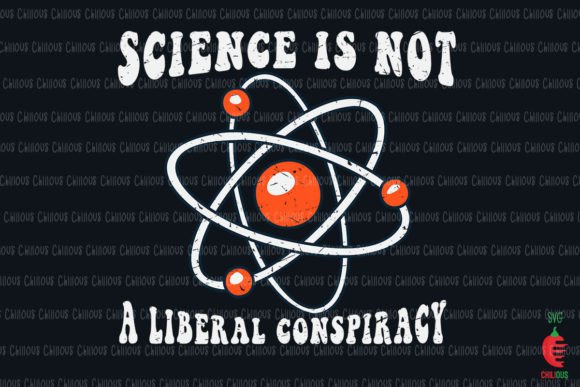
Science is Not a Liberal Conspiracy: A Clear Perspective for Educators and Creators
In an era where information is abundant but truth is often elusive, the phrase "Science is Not a Liberal Conspiracy" has gained traction as a clarion call for critical thinking and factual integrity. This concept challenges the notion that scientific inquiry is somehow aligned with political ideologies, emphasizing instead that science is a universal pursuit of knowledge grounded in evidence, experimentation, and peer review. For educators, creators, and professionals across various fields, understanding this distinction is not just informative—it's essential.
As we approach the first day of school or the back-to-school season, it's an opportune time to reflect on how science education can be both engaging and enlightening. Teachers, especially those who are retired or looking for fresh ideas, may find value in exploring creative ways to present scientific concepts. Whether it's through a funny teacher anecdote, a new lesson plan, or innovative classroom tools, the goal remains the same: to inspire curiosity and foster a love for learning.
Understanding the Relevance of Science Beyond Politics
Science is a discipline that transcends political boundaries. It is built on principles that are consistent regardless of one's ideological leanings. The idea that science could be a "liberal conspiracy" is not only misleading but also harmful. Such narratives can erode public trust in scientific institutions and discourage open dialogue about important issues like climate change, public health, and technological advancement.
This misperception often stems from a lack of understanding about how science works. Scientific consensus is reached through rigorous processes that involve collaboration, debate, and validation. When these processes are misunderstood or misrepresented, it can lead to confusion and skepticism. Educators play a crucial role in dispelling these myths by teaching students how to critically evaluate information and recognize the difference between scientific evidence and opinion.
Trends in Education and the Role of Creative Teaching Tools
The modern classroom is evolving. With the rise of digital tools and creative teaching methods, educators have more resources than ever to make science accessible and engaging. From interactive simulations to hands-on experiments, there are countless ways to bring scientific concepts to life. For teachers looking for unique ways to connect with their students, the use of visual aids such as SVG files, PNGs, and other design assets can be incredibly effective.
For instance, a math SVG file can be used to create custom teaching materials that illustrate complex concepts in a visually appealing way. These tools can be especially useful for teachers who want to make their lessons more dynamic and interactive. By incorporating such elements into their teaching, educators can help students grasp difficult topics more easily and retain information better.
Practical Implications for Educators and Professionals
For educators, particularly those who are retiring or seeking new opportunities, the shift towards digital and creative teaching methods offers exciting possibilities. Teacher gift ideas that include design files like SVGs can be both practical and meaningful. These files can be used to create personalized items, such as custom mugs, t-shirts, or classroom decorations, that celebrate the impact of teaching.
Moreover, the availability of high-resolution PNG files and other design formats makes it easier for teachers to produce professional-looking materials without needing advanced design skills. Whether it's creating a back-to-school welcome sign or designing a fun classroom poster, these tools empower educators to express their creativity while enhancing the learning environment.
Adapting to Changing Needs and Expectations
As technology continues to shape our world, so too does our approach to education. Students today expect more from their learning experiences—interactive, engaging, and relevant. This shift requires educators to adapt their methods and embrace new tools that support modern learning styles.
For example, the integration of digital design files into the classroom can help bridge the gap between traditional teaching and modern technology. By using SVG files in a vinyl cutting program like Circuit Design Space or Silhouette Studio, teachers can create custom items that align with their teaching goals and personal style. This not only adds a personal touch to the classroom but also encourages students to think creatively and explore new possibilities.
Conclusion: Embracing Science as a Universal Language
Science is not a liberal conspiracy. It is a universal language that connects people across cultures, disciplines, and ideologies. As we navigate the complexities of the modern world, it's more important than ever to promote a clear understanding of what science is and how it operates. For educators, creators, and professionals, this means embracing tools and methods that enhance learning, foster creativity, and encourage critical thinking.
Whether you're a science teacher preparing for the first day of school, a creator looking for unique design assets, or a professional seeking to stay informed, the message is clear: science is a powerful tool that belongs to everyone. By recognizing its value and using it wisely, we can build a more informed, curious, and connected society.